Skip to content

Google Maps Optimization

Google Maps Optimization for Spas
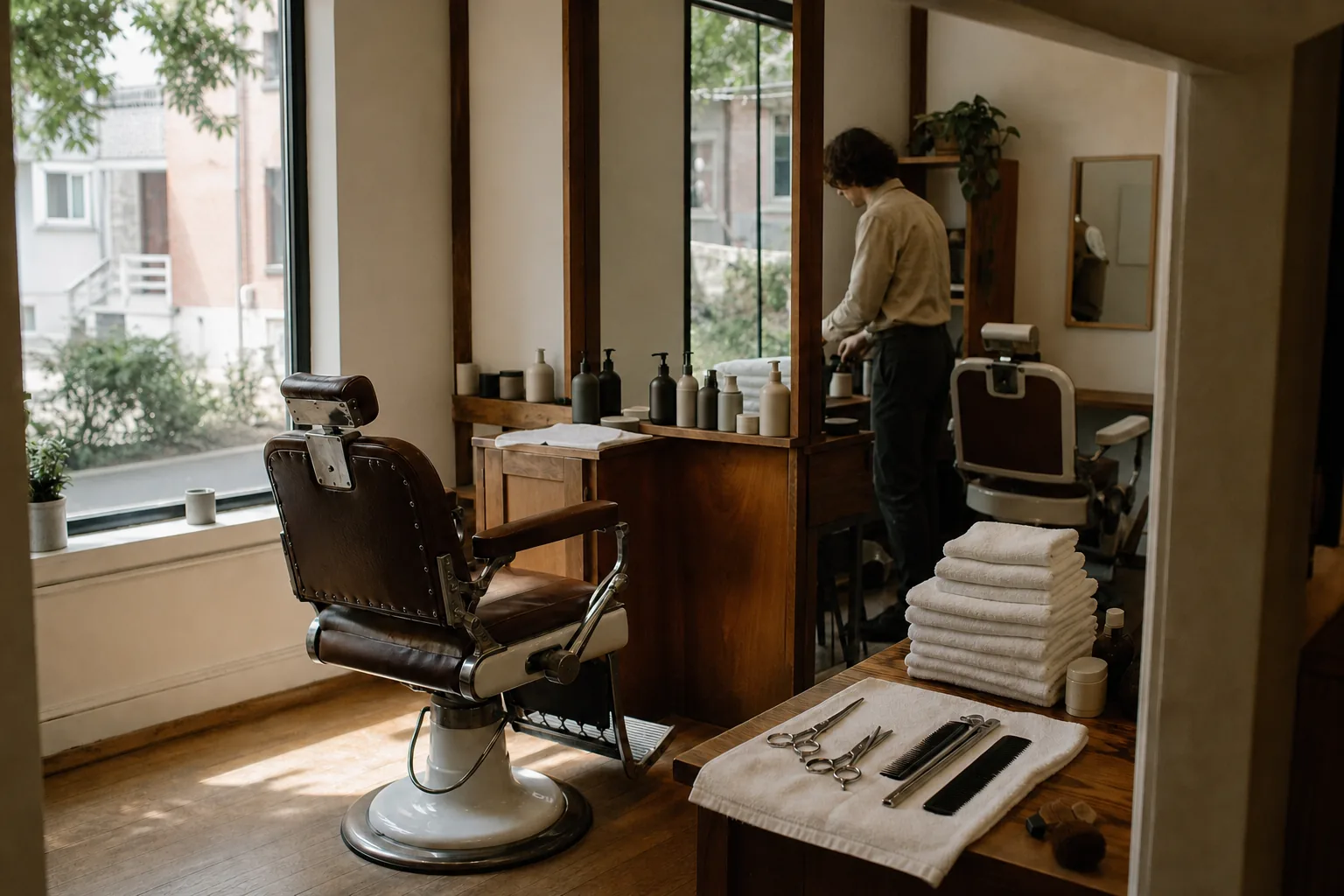
Spas need a premium online presence that matches their in-person experience. Maps Agent optimizes your Google Maps profile to attract clients seeking relaxation and wellness services.

The Challenge

Why Spas Struggle With Google Maps

Most spas are invisible on Google Maps. Here is why:

Premium pricing ($100-$300/visit) requires strong trust signals before booking

Gift certificate searches spike seasonally — visibility during holidays is critical

Competing with medical spas and wellness centers for overlapping searches

Customer experience expectations are high — online presentation must match

Industry Analysis

Google Maps Visibility for Spas

The $180 Decision That Starts With a Search

It's 3 PM on a Tuesday, and someone in your city just typed "spa near me" into Google Maps. They're planning a gift certificate purchase for the holidays, or they've decided to finally book that massage they've been putting off. The average transaction value? $180. But here's what matters: if your spa doesn't appear in that Map Pack—those three businesses Google shows at the top—you don't exist in that decision. 76% of spa customers search online before booking. They're not walking past your storefront and deciding on impulse. They're on their phone, comparing options, reading reviews, checking photos of your treatment rooms. The decision to spend $100-$300 on a spa visit requires trust, and that trust begins with visibility. If you're not in the Map Pack when they search, you've lost the customer before they ever knew you existed.

The Premium Pricing Problem

Spas operate in a unique position in the local search ecosystem. You're not selling a $12 lunch or a $40 haircut. Your services command premium prices because they deliver premium experiences. A 90-minute massage, a facial treatment, a full day spa package—these are considered purchases, not impulse buys. This creates a specific challenge: customers need to see strong trust signals before they'll book. They're looking at your review count, your average rating, how recently you've been reviewed, and whether your Google Business Profile looks professionally maintained. They're examining your photos to see if your facility matches their expectations. They're checking if you respond to reviews, both positive and negative. When a potential customer searches "best spa in [city]" or "day spa near me," they're conducting research. They might compare five or six options before making a decision. If your spa doesn't appear in that initial Map Pack, you're not even being considered. You're invisible in the exact moment when someone is ready to spend money.

The Holiday Visibility Gap

45% of spa searches spike during the holiday gift-giving season. November and December become critical revenue months, not just for services rendered but for gift certificate sales that drive future bookings. Someone searching "spa gift certificate near me" in early December is a high-intent customer with a specific purchase timeline. But here's the problem: seasonal demand doesn't automatically translate to seasonal visibility. Google's local search algorithm doesn't care that it's the holidays. Your ranking is determined by your Visibility Score—a composite of hundreds of factors including your Grid Rank across different search locations, your review velocity, your profile completeness, and your engagement metrics. If your spa has been sitting at position #4 or #7 in local search results for months, that's exactly where you'll be when holiday search volume spikes. You won't suddenly jump into the Map Pack just because more people are searching. Instead, your competitors who maintained stronger visibility all year will capture that seasonal surge. You'll miss the revenue spike when you need it most.

The Medical Spa Competition Problem

The spa industry faces another unique challenge: category overlap. When someone searches "facial near me" or "wellness center [city]," they might be looking for a day spa, a medical spa, a dermatology clinic, or a wellness center. These businesses compete for the same discovery searches—those broad, high-volume queries where the customer hasn't yet decided exactly what type of provider they want. Discovery searches represent the largest opportunity in local search because the customer is still in research mode. They're discoverable, persuadable, and ready to book with whoever presents the best option. But winning these searches requires more than just being a great spa. It requires Google understanding exactly what services you offer, which geographic areas you serve, and how you compare to competitors in dozens of micro-locations throughout your city. Most spas never see their actual Visibility Gap—the difference between where they currently rank and where they could rank if their Google Business Profile was fully optimized. They might rank well for searches happening within two blocks of their location but be completely invisible three miles away, even though customers regularly travel that distance for spa services.

What Happens When You're Invisible

When your spa doesn't appear in local search results, you don't just miss individual bookings. You miss compounding opportunities. The customer who can't find you books with a competitor. If they have a good experience, they become a repeat customer—for that competitor. They leave reviews that strengthen that competitor's visibility. They refer friends. They purchase gift certificates that bring in new customers. Meanwhile, your spa remains at the same visibility level, generating the same baseline of bookings from people who already know you exist. You're not capturing discovery searches. You're not converting the "spa near me" searches happening in your area every single day. You're leaving revenue on the table, not because your services aren't excellent, but because you're not visible when decisions are being made.

The Autonomous Optimization Advantage

Traditional SEO and local search optimization require constant manual work: updating your profile, monitoring your rankings across different locations, responding to reviews, adjusting your categories and attributes, tracking competitor movements. For a spa owner focused on delivering exceptional customer experiences, this ongoing maintenance becomes impossible to sustain. This is where autonomous AI optimization fundamentally changes the equation. An AI agent doesn't just make one-time updates to your Google Business Profile. It continuously monitors your Grid Rank across every relevant search location, identifies Visibility Gaps, adjusts optimization strategies based on algorithm changes, and responds to competitive movements in real-time. When holiday search volume spikes, an autonomous agent has already positioned your spa for maximum visibility. When a medical spa opens three blocks away and starts competing for your discovery searches, the agent adapts your optimization strategy. When Google updates its local search algorithm—which happens constantly—the agent recalibrates without you needing to understand the technical details. For $149 per month, Maps Agent operates as an autonomous AI agent that maintains and improves your Google Maps visibility 24/7. It doesn't replace your expertise in delivering exceptional spa experiences. It ensures that when someone in your city searches for those experiences, your spa is visible, discoverable, and positioned to convert that search into a $180 booking.

The Solution

How Maps Agent Helps Spas

The AI Agent for Google Maps that works autonomously to get your spa practice found on Google Maps.

Holiday Revenue Capture

Autonomous optimization positions your spa for maximum visibility during the 45% search spike in gift certificate season. When November and December searches surge, you're already in the Map Pack capturing high-intent customers with specific purchase timelines.

Premium Trust Signal Strength

Continuous profile optimization ensures your Google Business Profile displays the review count, recent activity, professional photos, and engagement signals that justify $100-$300 booking decisions. Your online presentation matches the premium experience you deliver.

Medical Spa Differentiation

AI-driven category and attribute optimization helps Google understand exactly what services you offer, ensuring you appear for the right discovery searches and compete effectively against medical spas and wellness centers in overlapping queries.

Grid Rank Expansion

Visibility Score monitoring across micro-locations throughout your service area closes the gap between strong rankings near your physical location and invisibility three miles away where customers still travel for spa services.

Search Landscape

What Your Customers Are Searching

These are real Google searches that potential customers use to find spas like you.

spa near me
massage near me
day spa [city]
facial near me
best spa in [city]

Maps Agent optimizes your profile to rank for these and 100+ more local keywords every month.

By the Numbers

Why Google Maps Matters for Spas

76%

of spa customers search online before booking

$180

average spa visit transaction value

45%

of spa searches spike during holiday gift-giving season

Local Insights

What Makes Spas Unique in Local Search

Spas face a distinctly different competitive landscape in local search compared to other beauty and wellness businesses. The competition isn't just other day spas—it's medical spas, massage therapy clinics, wellness centers, beauty salons offering facial services, and even hotel spas that show up in local searches. This category overlap means that a single search query like "facial near me" or "massage near me" can surface 15-20 different business types, all competing for the same three Map Pack positions. What separates top-performing spas in Google Maps visibility isn't the quality of their services—it's how well Google understands their complete service offering and geographic relevance. The spas that dominate local search have optimized for specific treatment types (hot stone massage, deep tissue, Swedish, aromatherapy), specific customer intents (couples massage, prenatal massage, sports massage), and specific occasions (bridal spa packages, spa day gifts). They've claimed every relevant category and attribute, ensuring they appear not just for "spa near me" but for the dozens of more specific searches that indicate higher booking intent. Seasonal patterns in spa searches create predictable visibility opportunities that most spas fail to capitalize on. The holiday spike from November through December is well-documented, but there are secondary spikes: Mother's Day week, Valentine's Day week, and the post-New Year "self-care resolution" period in January. Summer months see increased searches for specific treatments like body wraps and exfoliation services. The spas that maintain consistent optimization year-round are positioned to capture these seasonal surges, while spas that only think about their online presence when business is slow miss the high-volume periods entirely. Customer search behavior in the spa industry follows a research-heavy pattern. Unlike restaurants or coffee shops where decisions happen quickly, spa customers typically search multiple times before booking. They might search "spa near me" on Monday, click through to three different profiles, then return on Wednesday to search "best spa in [neighborhood]" with a more refined intent. They're comparing review counts, looking at service menus, examining facility photos, and checking price signals. This extended decision timeline means that consistent visibility across multiple search sessions is critical—being visible once isn't enough. The gap between online visibility and actual foot traffic is particularly pronounced for spas because customers travel farther for spa services than for everyday needs. Someone might drive 15-20 minutes for a spa day but only 5 minutes for a haircut. This creates a Grid Rank challenge: your spa might rank well for searches happening within a half-mile radius but be completely invisible in neighborhoods 3-4 miles away where potential customers are actively searching. Top-performing spas optimize for visibility across a wider geographic grid, understanding that their service area extends well beyond their immediate block. What the highest-visibility spas do differently is treat their Google Business Profile as a dynamic asset, not a static listing. They maintain review velocity with recent, authentic reviews. They update their photo galleries to showcase seasonal treatments and facility improvements. They respond to reviews in ways that demonstrate their customer service philosophy. They ensure their service menu is comprehensive and keyword-rich without being spammy. Most importantly, they monitor their actual Visibility Score and Grid Rank rather than assuming they're visible just because they can find themselves when they search for their own business name. They understand that "spa near me" searches—where the customer doesn't know your name yet—are where real growth happens.

Simple Pricing

$149/Month. No Contracts.

Everything your spa business needs to dominate Google Maps. Cancel anytime.

  • 100+ local SEO keywords researched monthly
  • 4 Google Posts written & published
  • Q&A monitoring — we answer for you
  • AI & voice search optimization
  • Monthly ranking & Map Pack report
  • Categories, attributes & descriptions tuned

FAQ

Common Questions From Spas

Get Started

See How Your Spa Practice Ranks

Get a free, instant audit of your Google Business Profile. See your Visibility Score and find out what is costing you customers.

No credit card requiredResults in 30-60 daysCancel anytime

More Industries

Maps Agent Works for Every Local Business

We serve 30+ industries across the United States. Browse all industries.